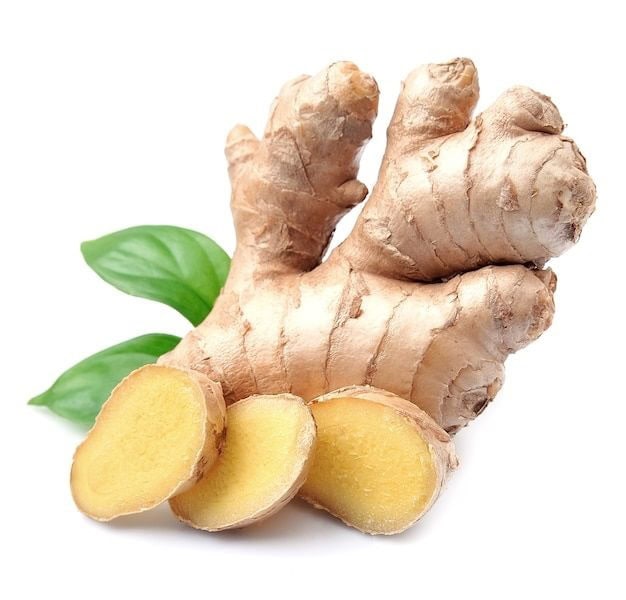
Ginger is more frequently used in Eastern cuisine-related recipes. But as scientists learn more about the health benefits of ginger, you might want to consider including it in your diet.
At first glance, ginger, a flowering root plant native to Southeast Asia, may seem frightening. The fresh ginger in the produce section is the root of the ginger plant. However, beneath the rough, brown epidermis, ginger has a wealth of flavor and significant health benefits.
Fresh ginger contains chemicals that help your body fight off germs. They’re especially good at halting growth of bacteria like E.coli and shigella, and they may also keep viruses like RSV at bay. Following 6 Health Benefits of Ginger.
Here are 6 Health Benefits of Ginger
Vitamin C, magnesium, and potassium in ginger are all beneficial to your health. But ginger’s secret weapon is one of its natural oils: gingerol. Ginger’s distinctive flavor and aroma are the result of natural oils, and gingerol, the most important oil in ginger, has potent medicinal properties. It reduces inflammation, functions as an antioxidant, and provides numerous additional health benefits like others.
- Soothes an Upset Stomach
Even though the carbonation in ginger ale tends to calm your stomach, ginger has the ability to calm it. Ginger is highly effective against nausea, according to a review of more than 100 trials: pregnant women who take just one gram of ginger noticeably experience fewer symptoms. Additionally, it alleviates motion sickness and is utilized to treat cancer treatment-related nausea and vomiting.
- Improves Indigestion
The stomach taking too long to empty itself is a common cause of persistent indigestion. Ginger helps food pass through the gastrointestinal tract more quickly, which speeds up that process. Ginger consumption has been shown in several studies to accelerate stomach emptying, even in those without chronic indigestion.
- Reduces Risk of Heart Disease
Heart disease is linked to elevated levels of cholesterol, particularly LDL (bad) cholesterol. However, there is some evidence to suggest that ginger may lower cholesterol levels. Adding ginger to your diet may reduce LDL, total cholesterol, and blood triglyceride levels, according to preliminary research that has been conducted on humans and animals. However, additional research is needed.
- Helps with Osteoarthritis Pain
Ginger will not necessarily bring you immediate pain relief. Ginger, on the other hand, has been shown to reduce pain and stiffness over time in conditions related to inflammation, like osteoarthritis. Latest studies are concentrating on the effects of applying ginger oil topically to relieve osteoarthritis pain, while previous research examined the effects of ginger when consumed.
- Improves Blood Sugar Regulation
According to recent research, gingerol helps to maintain stable blood sugar levels, which is crucial for controlling the long-term consequences of diabetes. According to one small study, individuals with type 2 diabetes who took a supplement containing just 2 grams of powdered ginger daily saw a significant reduction in their fasting blood sugar. Another study found that taking ginger powder for 12 weeks increased insulin sensitivity in people with type 2 diabetes.
- Adding Ginger to Your Diet
Ginger is easy to include in your diet, and a small amount is sufficient. For use in recipes, fresh ginger that has been peeled can be sliced, diced, or shredded. However, ginger can also be found dried, powdered, or in the form of an oil or juice. Just keep in mind that fresh ginger offers more gingerol than dried or powdered ginger.
Ginger that has not been peeled can be stored for up to three weeks in the fridge. If skin looks wrinkled or moldy, it’s time to toss it. Ginger root that has been peeled can be frozen if you don’t plan to use it right away.
If you are using powdered ginger, the taste and smell may be different, and you’ll want to use less. One teaspoon of fresh ginger is typically equivalent to one teaspoon of powdered ginger. Baking is where powdered ginger is most commonly used.
How Much Ginger Should You Consume Every day?
Ginger is safe to consume daily, but experts advise consuming 3 to 4 grams per day, or 1 gram per day if pregnant. Taking more than 6 grams of ginger a day has been proven to cause gastrointestinal issues such as reflux, heartburn and diarrhea.
The equivalent of 1 gram of ginger includes:
1/2 teaspoon ginger powder
1 teaspoon of grated raw ginger
4 cups of water steeped with ½ teaspoon grated ginger
Things to Think About Before Including Ginger in Your Diet
Consult your doctor before taking ginger as an herbal supplement. Supplements high in ginger can cause problems with the digestive system. Ginger should never be used in place of any medication that your doctor has given you. Never take ginger in place of any prescription drugs prescribed by your doctor.
Speak with your primary care physician about the potential health benefits of ginger.